
BC property inspection guide
Roof Problems Home Inspectors Look For in BC
Roof problems home inspectors look for include damaged coverings, worn flashing, blocked drainage and signs of water entry. Inspectors check what they can safely see. A roofing contractor may be needed for a closer review.
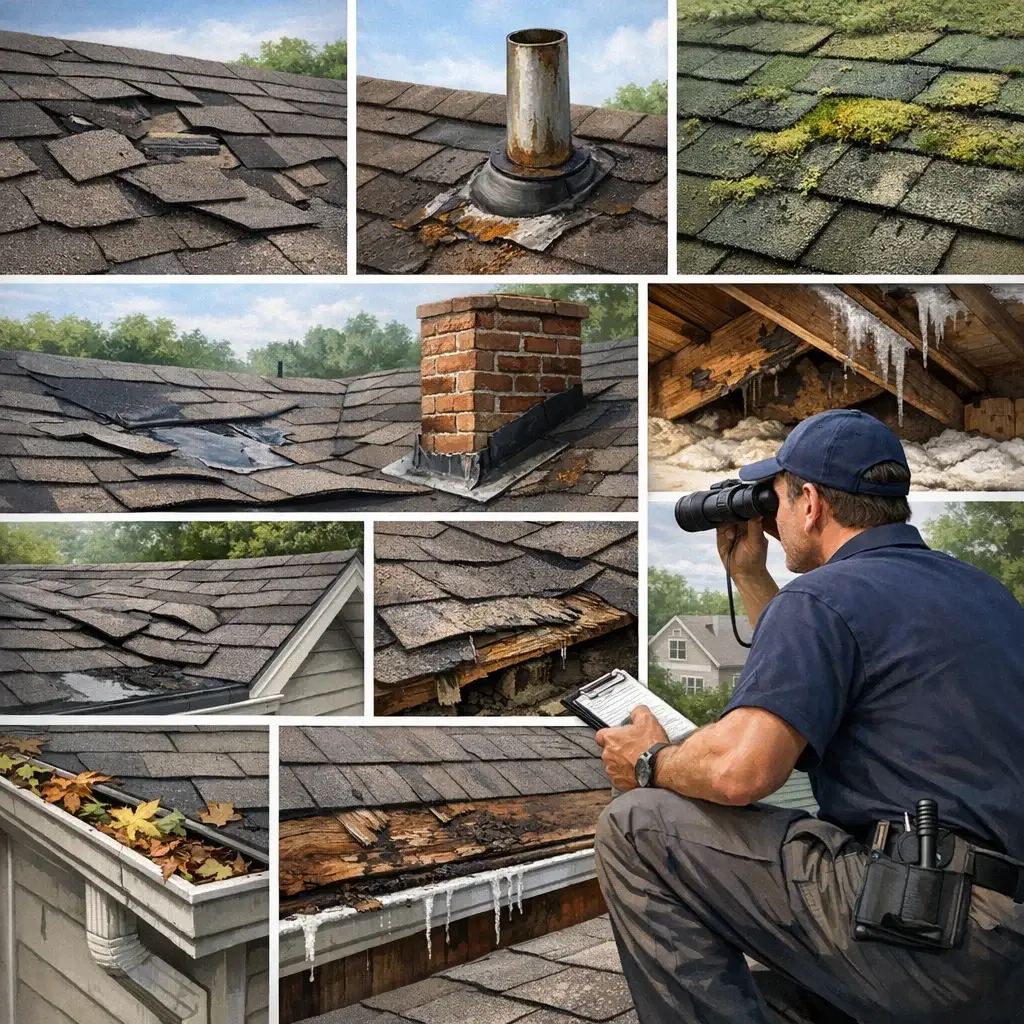
Quick answer: A home inspector can often spot visible roof wear, damaged flashing, loose gutters and signs of leaks from safe viewing points. The inspector may not walk a steep, icy or fragile roof. A roofing contractor can provide closer assessment and repair advice when needed.
What visible roofing defects can an inspector identify?
Depending on safe vantage points, an inspector may note damaged or missing shingles, worn coverings, lifted edges, obvious patching or deterioration. Tile, metal, low-slope membrane and shingle roofs have different details.
Walking a roof may be unsafe or unnecessary; the report should state relevant access limits.
Why do flashing and penetrations matter?
Transitions at chimneys, vents, skylights and wall intersections are common places to examine for visible water-management details. Surface sealant alone may not substitute for properly integrated flashing, and some connections remain concealed.
A roofer may need to evaluate suspected defects more closely.
How do gutters and drainage connect to roof problems?
Debris-filled gutters, disconnected downspouts or discharge against the foundation can contribute to water-management concerns beyond the roof itself. Site drainage is part of the property's larger moisture picture.
Read drainage warning signs for the foundation context.
What can attic observations reveal?
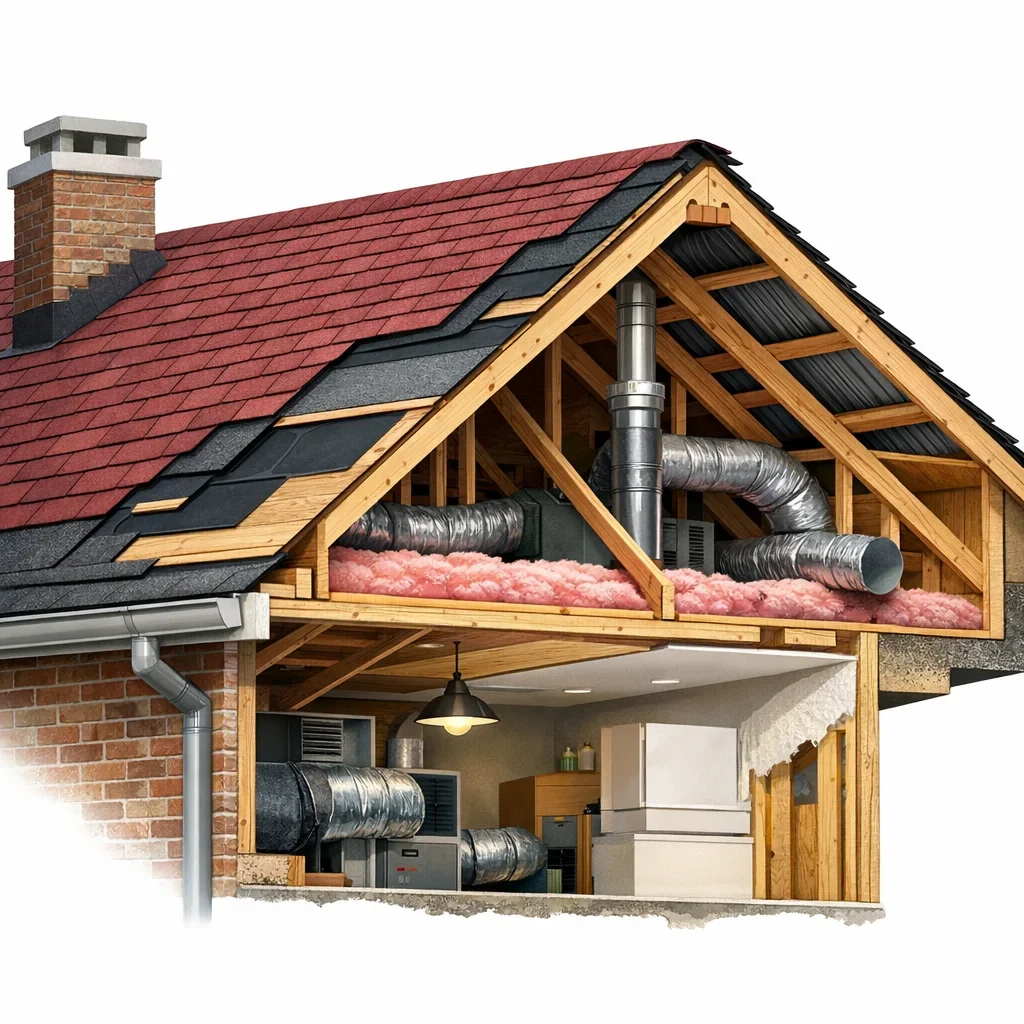
Where safe access permits, roof-deck staining, ventilation features and insulation condition may support a concern raised by exterior observations. Staining may be historical or active and cannot always be diagnosed visually.
See moisture-related inspection observations.
Use what the property reveals: A general guide is a starting point. Decisions should be based on actual accessible conditions, the written inspection scope and relevant specialist advice.
When should you hire a roofing contractor?
A significant defect, suspected active leak or uncertainty about remaining service life can justify a qualified roofer's evaluation and quotation. A general inspection is not a roofing warranty or life-expectancy guarantee.
For a buyer's overall property review, see pre-purchase inspections.
What matters for BC homes?
BC roofs face different weather. Coastal homes often get long stretches of rain and wind. Mountain and Interior areas can experience snow buildup and ice. Roof type, pitch, age and tree cover change the questions. Do not use a single age estimate to decide whether every roof needs replacement.
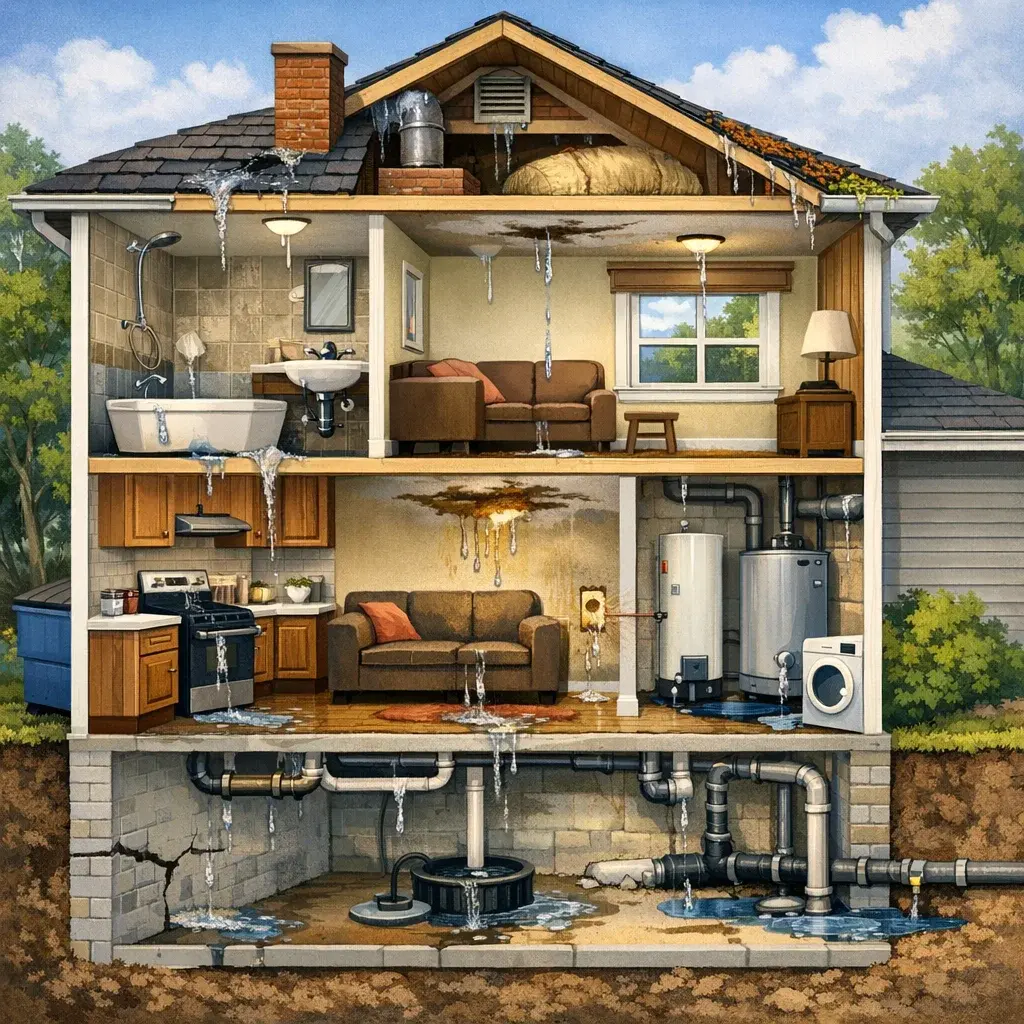
Roofing condition and remaining life are not the same thing. An inspector may document exposed nail heads, missing shingles or worn seals but cannot know how every hidden layer will perform. Ask about patch repairs after wind events and whether insulation or ventilation affects attic moisture. Water can appear far from the point where it first entered the roof.
Example situation: how the issue can appear
This is an illustrative example, not an actual client case. Picture a sloped-roof home in North Vancouver with trees above the gutters. Moss and leaf buildup are visible from the ground. That raises maintenance questions, but a roofer may still need to assess the covering and flashing safely.
How to make a sound decision
Look at the whole water path: covering, flashing, valleys, gutters and downspouts. A stained attic board may indicate past leakage, condensation or another issue. Inspectors should describe what they see and state limits, not promise the roof has years of life left based only on one visit.

A four-step checklist
- Request any roof age and repair records.
- Ask which roof areas were viewed and from where.
- Review attic moisture and ventilation observations.
- Get a roofing contractor's opinion for safety or material concerns.
Keep your notes simple: record the date, the part of the building, what you observed and who should answer the next question. Ask for written facts when you can. A home inspection is one piece of the decision, not a test that makes every risk disappear. If the cause is hidden or the work needs a specialist, get the right person to check it before relying on an estimate.
Key terms explained
- Flashing
- Material used to shed water where roofing meets another surface.
- Roof valley
- A low channel where two sloped roof areas meet.
- Attic ventilation
- Airflow provisions that affect heat and moisture below the roof.
What you should expect from a careful report
Look for clear photos, the exact location of each finding and plain words about why it matters. The inspector should state when an area was not seen. A note about a possible problem is not a final diagnosis. Review the written scope as well as the findings, then ask about safety, maintenance and work that may need a qualified professional. These steps help you avoid both undue worry and false confidence.
BC inspection experience and trustworthy sources
ENG Inspections is owned and operated by Nigel Greenidge. Nigel has worked with building and renovation projects for more than 20 years and has carried out home inspections since 2016. His listed Consumer Protection BC home inspector licence is #72615. He works directly with clients and uses photo-supported observations. This guide provides general education; it does not claim that Nigel personally inspected the example property.
To check the relevant provincial information, see Consumer Protection BC: Home inspections. Rules, deadlines and coverage should be checked against current official information and your own documents. The inspector can explain property conditions, but legal, engineering, insurance and warranty decisions may need other advisers.
Related BC guidance and services
For province-wide coverage, explore inspection service areas across BC. For deeper reading, compare moisture ingress and efflorescence, visible perimeter drainage warning signs, and pre-purchase home inspection services. If you have a property deadline, discuss the agreed scope before you book.
Apply the guidance
Using This Advice for Your BC Property
Request any roof age and repair records. Review attic moisture and ventilation observations. The right next step depends on the building, its records and what can be seen safely. For a property in British Columbia, ask about the agreed inspection scope and share any deadlines before arranging a visit.
For a specific home, compare buyer inspection services, BC home inspection service areas, or discuss the property with Nigel.
Frequently asked question
Frequently Asked Questions
Will inspectors always walk on the roof?
No. Safety, weather, pitch and covering condition can limit or prevent physical roof access.
What does flashing mean?
Material used to shed water where roofing meets another surface.
What should I do next about this issue?
Request any roof age and repair records. Get a roofing contractor's opinion for safety or material concerns.
Need a property-specific review?
Discuss an Inspection With Nigel
If a property decision is approaching, share the address, property type, and deadline. ENG Inspections can discuss a suitable visual inspection scope and quote.