
BC property inspection guide
Poly-B Piping in BC Homes: A Buyer's Guide
Poly-B piping in BC homes is a concern some buyers need to check. Polybutylene was used for water supply in many buildings. An inspector can note visible piping, but a plumber may be needed to assess its condition and next steps.
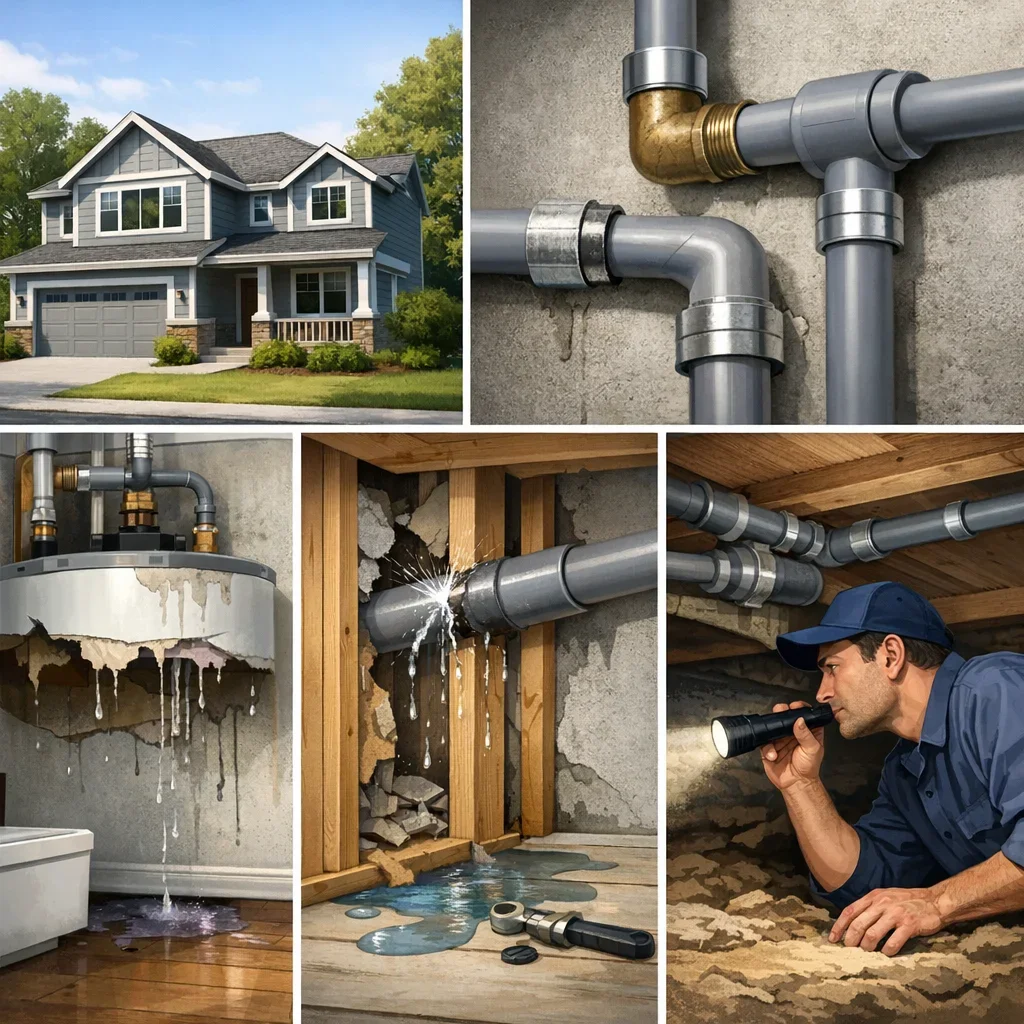
Quick answer: Poly-B is a type of plastic water-supply piping found in some older BC homes and strata buildings. Seeing it does not prove a leak, but it can raise questions about age, fittings, repair history and insurance. A plumber can assess the installed system and replacement options.
What is Poly-B piping?
Polybutylene is a plastic water-supply pipe that was used in certain construction periods. Visible sections may help identify the system, but not every pipe can be seen and some homes have partial replacements.
Material identification and repair decisions should be confirmed by a qualified plumbing professional.
Does the presence of Poly-B mean there is a leak?
No. A piping material alone does not prove that a specific home has an active leak. However, age, installation details, water conditions and fitting types may warrant a closer review.
The inspector can document visible piping and leak indicators; an invasive investigation or risk assessment is a separate matter.
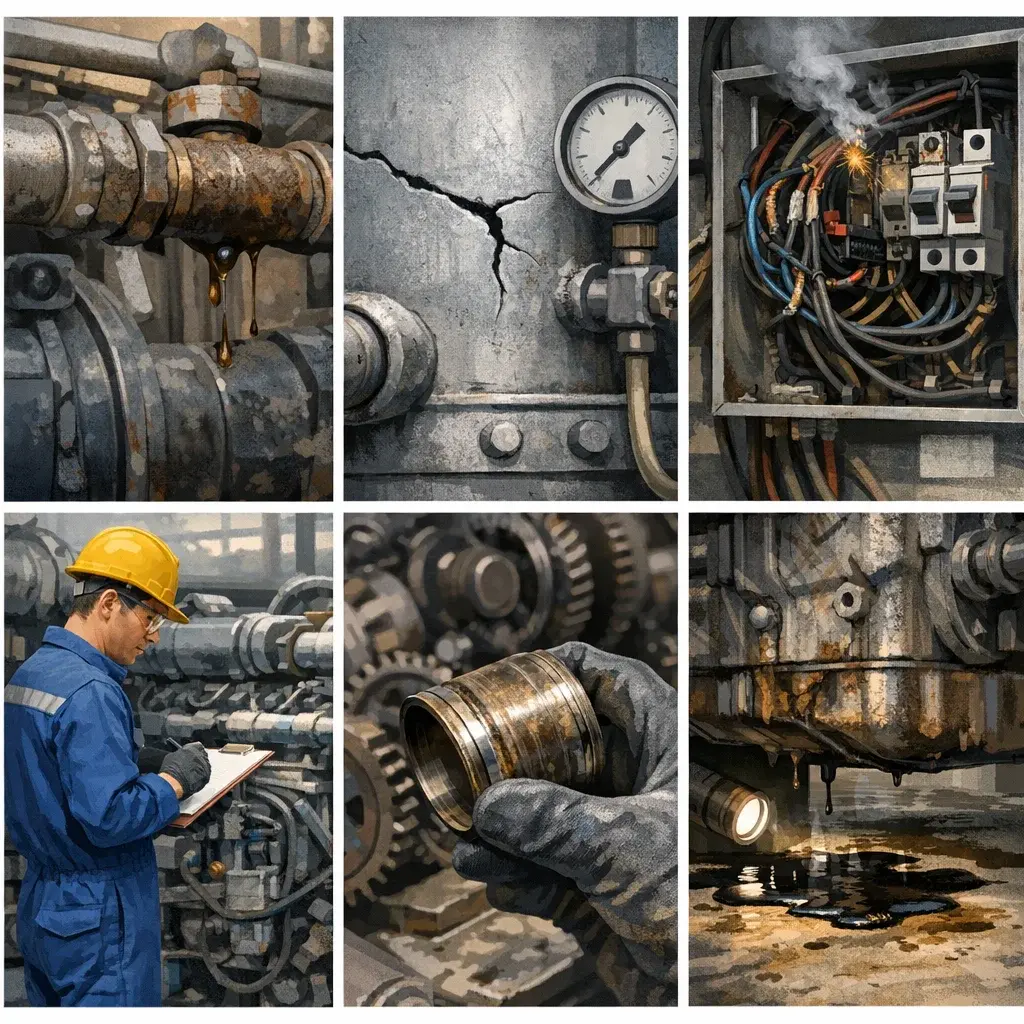
Where can buyers look for visible clues?
Accessible piping near water heaters, mechanical areas, under sinks or in unfinished spaces may provide information. Never open walls or dismantle components to investigate without authorization. Finished suites may conceal most of the supply network.
For strata homes, ask whether piping is unit property, common property or shared responsibility.
What should I ask the seller or strata?
- Have there been supply-line leaks or related claims?
- Was all or part of the water-supply system replaced?
- Are records, warranties or permits available for the work?
- Has the strata commissioned a piping evaluation?
- What does the insurer require or exclude for this property?
Use what the property reveals: A general guide is a starting point. Decisions should be based on actual accessible conditions, the written inspection scope and relevant specialist advice.
What is a sensible next step?
If visible Poly-B or water damage is found, consider a licensed plumber's assessment and review insurance implications. A condo buyer should also read strata records.
Related reading: depreciation report versus condo inspection and older-home inspection systems.
What matters for BC homes?
BC houses and condos built during the period when Poly-B was commonly used may still have visible sections. Piping can be concealed in walls, so an inspection cannot map every run. A townhouse may also have shared piping responsibilities set by its strata plan and bylaws. The visible material is just one part of the picture.
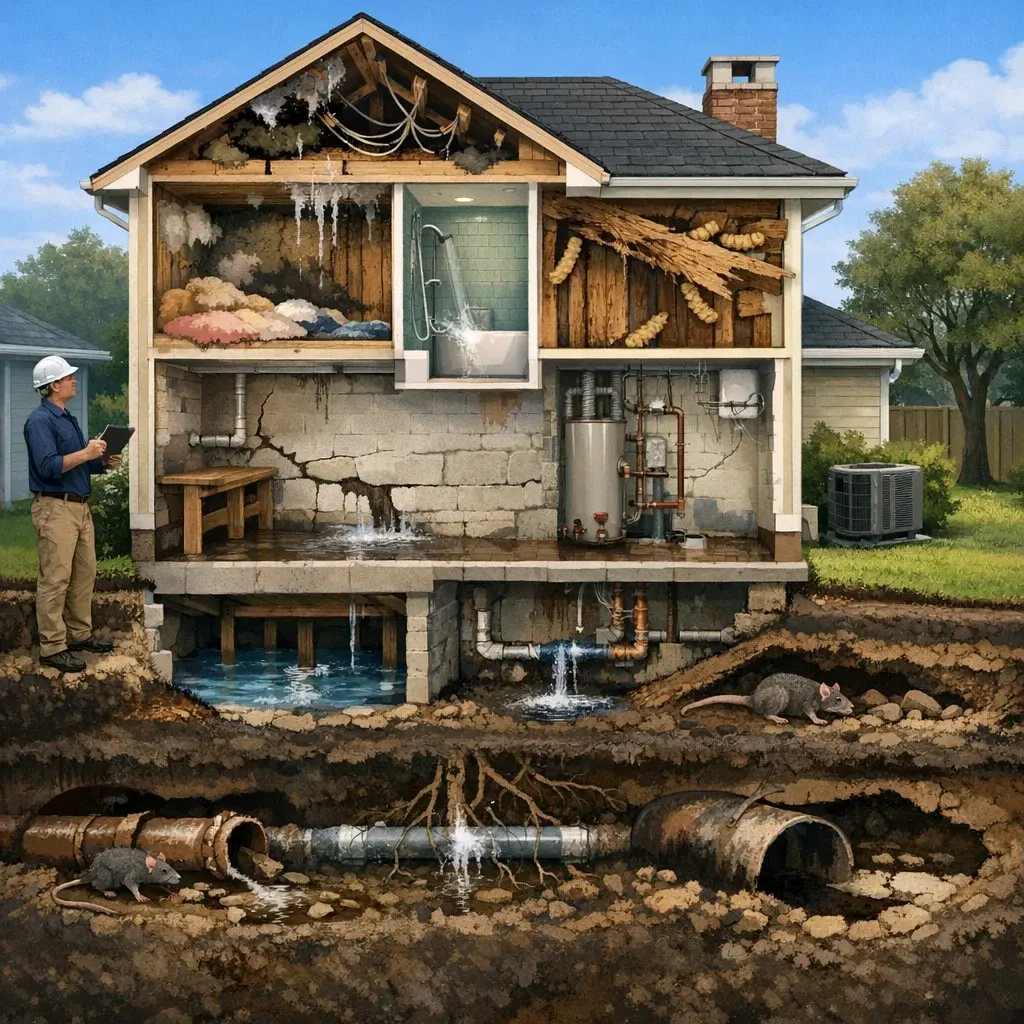
Visible plastic tubing is not enough to identify every line in a house. Look for clear markings where safe, but do not cut or bend piping. In a condo, owners may have limited control over shared risers. Ask for plumbing renovation invoices and insurance terms. A plumber can help distinguish a partial repair from full replacement and can explain the risks of disturbing aged connections.
Example situation: how the issue can appear
This is an illustrative example, not an actual client case. Imagine a condo unit with gray plastic supply tubing under a sink but copper near the water heater. The mixed materials suggest prior work, not proof of a full replacement. Strata records and a plumber's inspection may help clarify what remains.
How to make a sound decision
Ask whether sections have been replaced and whether the work was documented. Different piping may be visible beside each other after repairs. Do not assume that replacing one bathroom line means the whole house has been repiped. Speak to an insurer early if pipe type affects coverage or conditions.

A four-step checklist
- Photograph visible pipe markings without disturbing the system.
- Ask for repair, replacement and leak records.
- Check with the strata on shared lines when applicable.
- Seek a licensed plumber's advice and an insurance quote if needed.
Keep your notes simple: record the date, the part of the building, what you observed and who should answer the next question. Ask for written facts when you can. A home inspection is one piece of the decision, not a test that makes every risk disappear. If the cause is hidden or the work needs a specialist, get the right person to check it before relying on an estimate.
Key terms explained
- Poly-B
- A plastic pipe material used in some older water-supply systems.
- Repipe
- To replace some or all supply piping with new material.
- Riser
- A pipe that serves levels or units within a larger building.
What you should expect from a careful report
Look for clear photos, the exact location of each finding and plain words about why it matters. The inspector should state when an area was not seen. A note about a possible problem is not a final diagnosis. Review the written scope as well as the findings, then ask about safety, maintenance and work that may need a qualified professional. These steps help you avoid both undue worry and false confidence.
BC inspection experience and trustworthy sources
ENG Inspections is owned and operated by Nigel Greenidge. Nigel has worked with building and renovation projects for more than 20 years and has carried out home inspections since 2016. His listed Consumer Protection BC home inspector licence is #72615. He works directly with clients and uses photo-supported observations. This guide provides general education; it does not claim that Nigel personally inspected the example property.
To check the relevant provincial information, see Consumer Protection BC: Home inspections. Rules, deadlines and coverage should be checked against current official information and your own documents. The inspector can explain property conditions, but legal, engineering, insurance and warranty decisions may need other advisers.
Related BC guidance and services
For province-wide coverage, explore inspection service areas across BC. For deeper reading, compare inspecting an older BC home, strata depreciation reports versus condo inspections, and pre-purchase home inspection services. If you have a property deadline, discuss the agreed scope before you book.
Apply the guidance
Using This Advice for Your BC Property
Photograph visible pipe markings without disturbing the system. Check with the strata on shared lines when applicable. The right next step depends on the building, its records and what can be seen safely. For a property in British Columbia, ask about the agreed inspection scope and share any deadlines before arranging a visit.
For a specific home, compare buyer inspection services, BC home inspection service areas, or discuss the property with Nigel.

Frequently asked question
Frequently Asked Questions
Can a home inspector certify all pipes are sound?
No. Concealed supply lines and their future performance cannot be guaranteed by a non-invasive inspection.
What does poly-b mean?
A plastic pipe material used in some older water-supply systems.
What should I do next about this issue?
Photograph visible pipe markings without disturbing the system. Seek a licensed plumber's advice and an insurance quote if needed.
Need a property-specific review?
Discuss an Inspection With Nigel
If a property decision is approaching, share the address, property type, and deadline. ENG Inspections can discuss a suitable visual inspection scope and quote.