
BC property inspection guide
Electrical Safety for BC Home Buyers
Electrical safety for BC home buyers starts with spotting visible warning signs, such as damaged outlets or concerns at the panel. A home inspection is not a full electrical test. A licensed electrician should assess faults that need expert work.
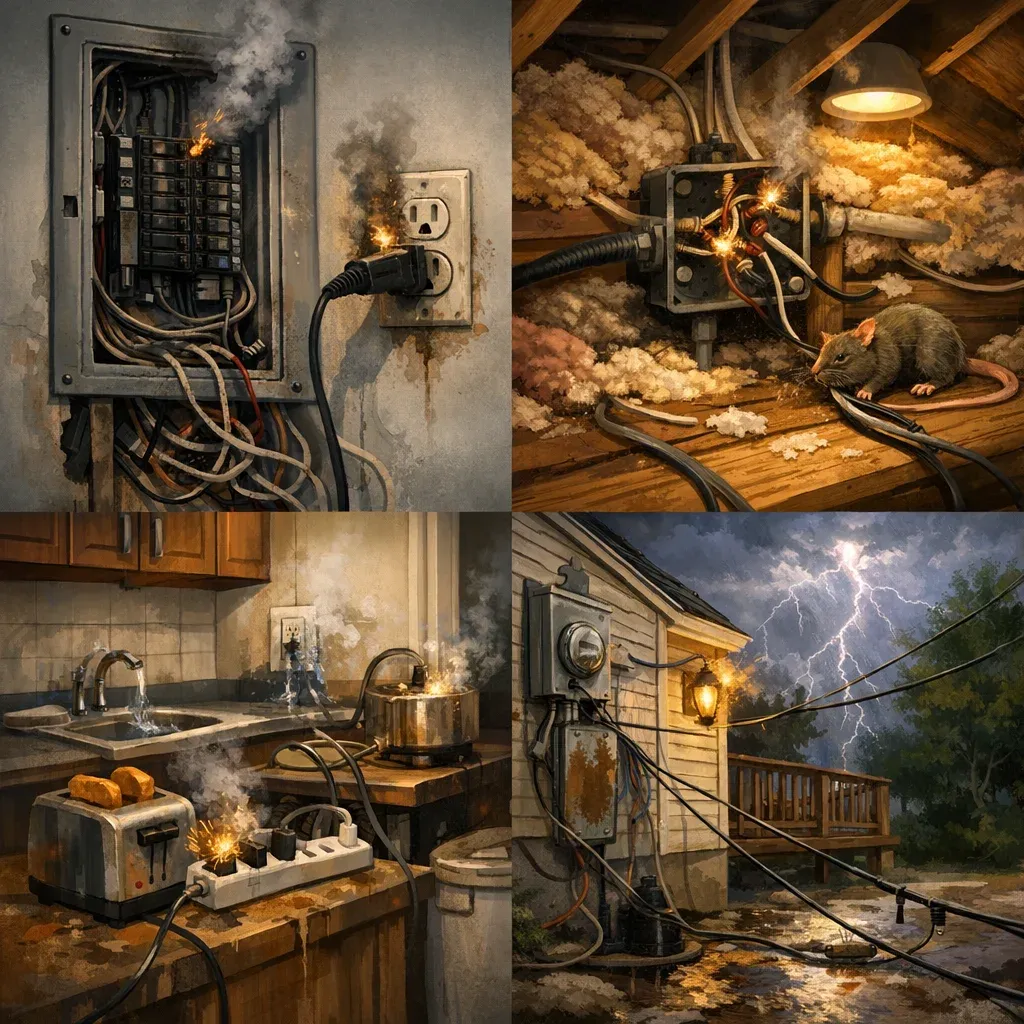
Quick answer: A home inspector looks for visible electrical safety concerns such as damaged outlets, panel defects, unsafe exposed wiring and signs of poor alterations. A general inspection is not an electrical safety certification. A licensed electrical contractor should assess and repair significant hazards.
What can be seen at an electrical panel?
Where safe and authorized, an inspector may document visible panel condition, labeling, accessible wiring and obvious defects. Internal hazards and concealed circuits may not be assessable. Energized equipment requires particular caution.
If significant concerns appear, follow up with a licensed electrician rather than attempting repairs yourself.
Why do outlets and GFCI protection matter?
Accessible receptacles and ground-fault circuit interrupter protection can form part of a representative operational review. Missing or malfunctioning protection in locations where it is required can justify professional attention.
Requirements depend on the installation and applicable standards; an inspection does not certify comprehensive code compliance.
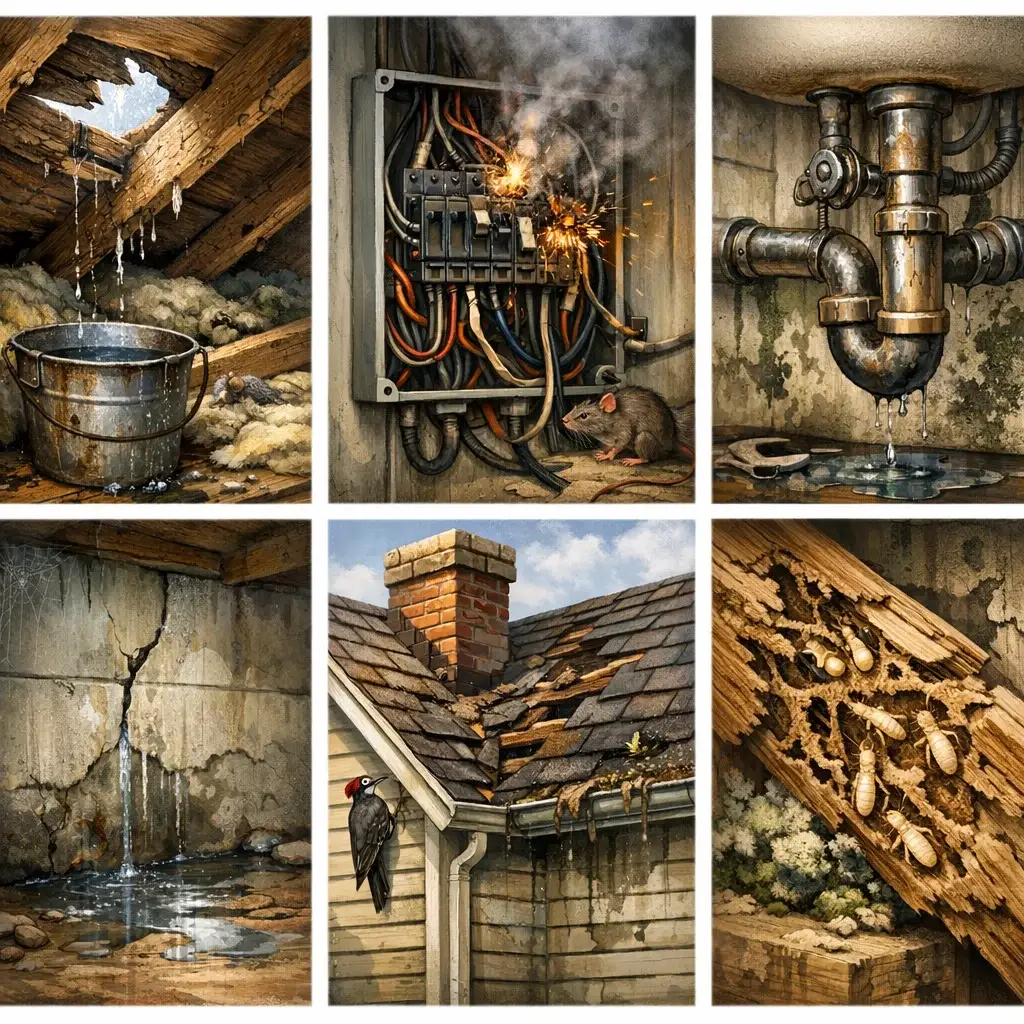
What are clues of unsafe alterations?
Exposed or damaged conductors, improvised connections, overheating evidence or unsupported equipment may be concerning. Some alterations are concealed and cannot be evaluated without further work. Renovation history and permits may also warrant review.
Are older homes necessarily unsafe?
No. An older electrical system may have been correctly maintained or upgraded, while a newer installation can still contain defects. Condition, records and qualified assessment matter more than age alone.
Read older-home inspection considerations.
Use what the property reveals: A general guide is a starting point. Decisions should be based on actual accessible conditions, the written inspection scope and relevant specialist advice.
What should buyers do after an electrical finding?
- Avoid operating equipment flagged as unsafe.
- Request an electrician's evaluation for significant or unclear observations.
- Ask about permits and receipts for major recent work.
- Review the findings before contractual deadlines.
- Use the report to distinguish urgent safety concerns from planned improvements.
For the full property review, see pre-purchase inspections.
What matters for BC homes?
In BC, regulated electrical work must be done by authorized people under Technical Safety BC rules. Older homes can contain wiring installed under past standards, while renovated homes may have a mix of circuits and newer equipment. A modern-looking panel cover does not prove that all wiring behind the walls is safe.
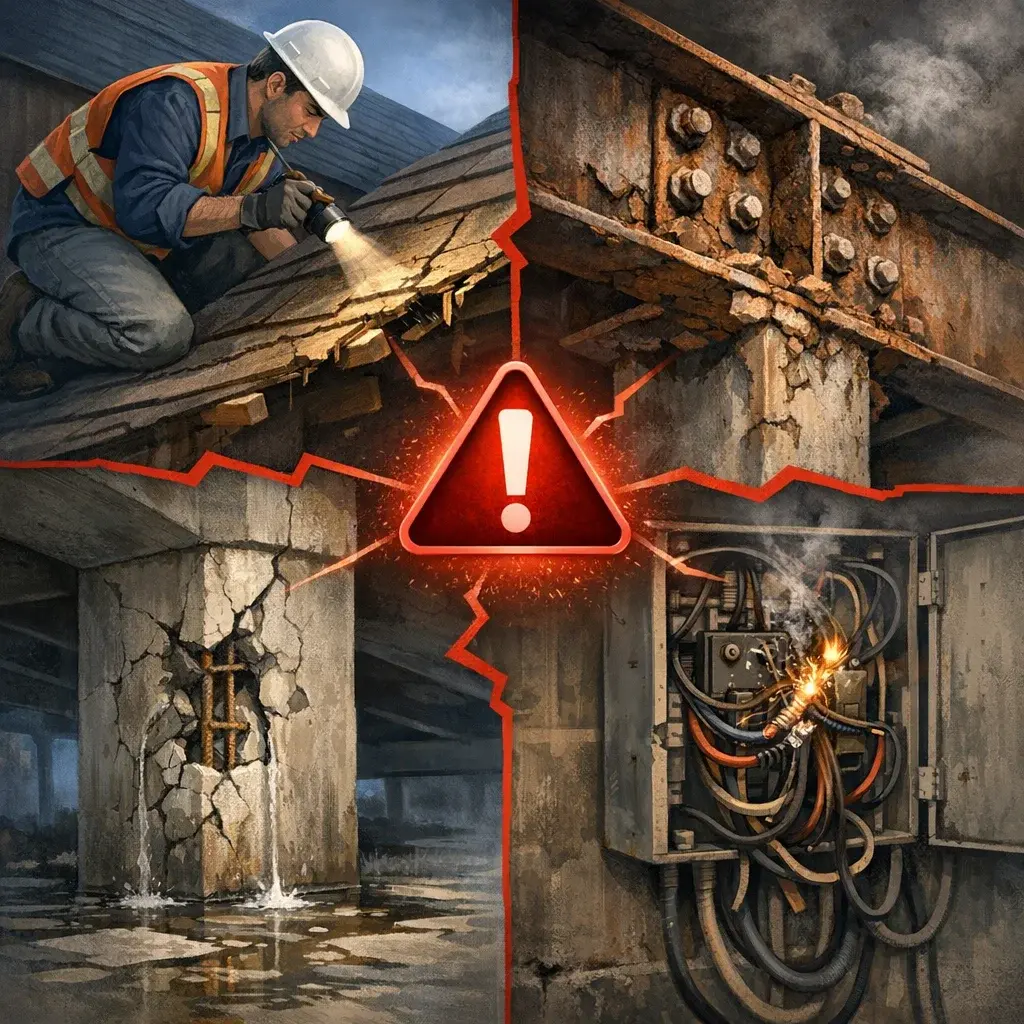
An electrical panel label may not match later renovation work. Some circuits may be hidden or inaccessible. The home inspector may use representative switches and receptacles within scope, but does not test every cable. If the report flags overheating, exposed live parts or improper connections, stop using affected equipment where safe and seek licensed electrical advice.
Example situation: how the issue can appear
This is an illustrative example, not an actual client case. A buyer sees a neat kitchen in an older Vancouver home. In the unfinished utility room, the inspector finds a loose cable and an open junction box. The new kitchen finish does not settle the safety issue; an electrician should investigate before the buyer estimates repairs.
How to make a sound decision
Ask whether changes were made under permits where required and whether the work was checked. A tripped breaker, warm outlet or damaged receptacle should not be ignored. Do not remove a panel cover or touch exposed parts yourself. The report should make clear which concerns need prompt licensed-trade review.

A four-step checklist
- Keep away from exposed wiring or unsafe panels.
- Review any electrical permit and renovation records.
- Ask which electrical components were safely observed.
- Arrange licensed electrical follow-up on material safety findings.
Keep your notes simple: record the date, the part of the building, what you observed and who should answer the next question. Ask for written facts when you can. A home inspection is one piece of the decision, not a test that makes every risk disappear. If the cause is hidden or the work needs a specialist, get the right person to check it before relying on an estimate.
Key terms explained
- GFCI
- A safety device designed to reduce shock risk in certain conditions.
- Breaker
- A protective device in a panel that disconnects a circuit.
- Bonding
- Electrical connections intended to reduce dangerous voltage differences.
What you should expect from a careful report
Look for clear photos, the exact location of each finding and plain words about why it matters. The inspector should state when an area was not seen. A note about a possible problem is not a final diagnosis. Review the written scope as well as the findings, then ask about safety, maintenance and work that may need a qualified professional. These steps help you avoid both undue worry and false confidence.
BC inspection experience and trustworthy sources
ENG Inspections is owned and operated by Nigel Greenidge. Nigel has worked with building and renovation projects for more than 20 years and has carried out home inspections since 2016. His listed Consumer Protection BC home inspector licence is #72615. He works directly with clients and uses photo-supported observations. This guide provides general education; it does not claim that Nigel personally inspected the example property.
To check the relevant provincial information, see Technical Safety BC: Electrical licences. Rules, deadlines and coverage should be checked against current official information and your own documents. The inspector can explain property conditions, but legal, engineering, insurance and warranty decisions may need other advisers.
Related BC guidance and services
For province-wide coverage, explore inspection service areas across BC. For deeper reading, compare inspecting an older BC home, what a BC home inspection does not cover, and pre-purchase home inspection services. If you have a property deadline, discuss the agreed scope before you book.
Apply the guidance
Using This Advice for Your BC Property
Keep away from exposed wiring or unsafe panels. Ask which electrical components were safely observed. The right next step depends on the building, its records and what can be seen safely. For a property in British Columbia, ask about the agreed inspection scope and share any deadlines before arranging a visit.
For a specific home, compare buyer inspection services, BC home inspection service areas, or discuss the property with Nigel.

Frequently asked question
Frequently Asked Questions
Does a home inspection prove all wiring is safe?
No. Concealed wiring and electrical performance can require specialized testing and qualified evaluation.
What does gfci mean?
A safety device designed to reduce shock risk in certain conditions.
What should I do next about this issue?
Keep away from exposed wiring or unsafe panels. Arrange licensed electrical follow-up on material safety findings.
Need a property-specific review?
Discuss an Inspection With Nigel
If a property decision is approaching, share the address, property type, and deadline. ENG Inspections can discuss a suitable visual inspection scope and quote.