
BC property inspection guide
Subject Removal Checklist for BC Home Buyers
This subject removal checklist helps BC home buyers prepare for an important contract deadline. Confirm the inspection is complete, read the report, ask about major findings and speak with the right professionals before deciding what to do.
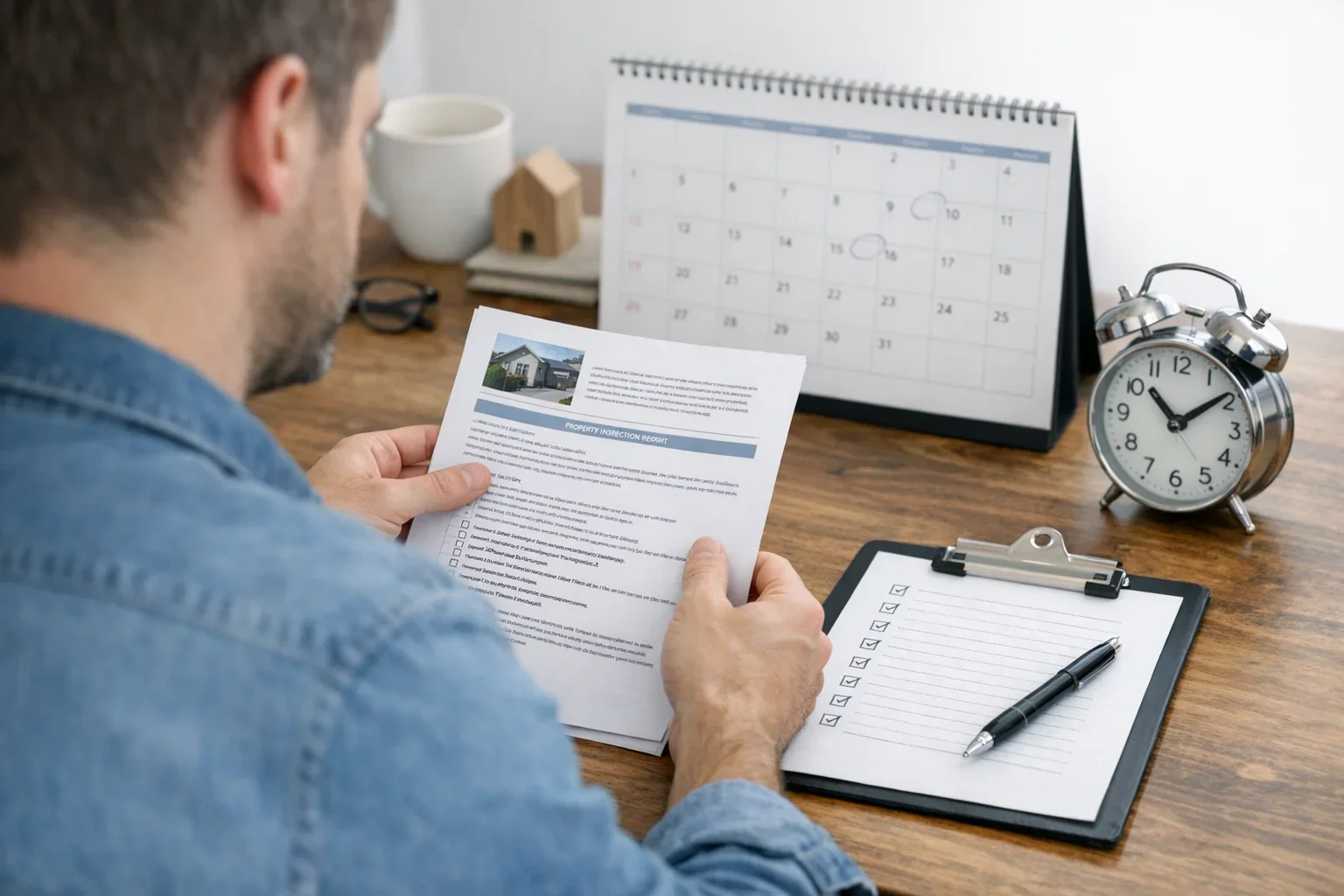
Quick answer: Before removing a BC home inspection subject, confirm the deadline, read the full inspection report, review documents and get advice about any major findings. The decision is yours under the contract; the inspector provides property observations and may recommend specialist follow-up.
1. Confirm deadlines and book the right inspection
Check your signed agreement with your representative. Record the exact deadline and schedule an inspection with enough time to receive and review findings. Tell the inspector whether the property is a detached house, condo or townhome.
For the contractual explanation, see the BC inspection subject-clause guide.
2. Prepare access and relevant documents
- Confirm who will provide property access and which spaces are locked.
- Gather permitted strata documents for condos and townhouses.
- Identify known past leaks, renovations or repairs worth asking about.
- Share any particular systems or defects that concern you.
- Leave time for any specialized follow-up the inspection may suggest.
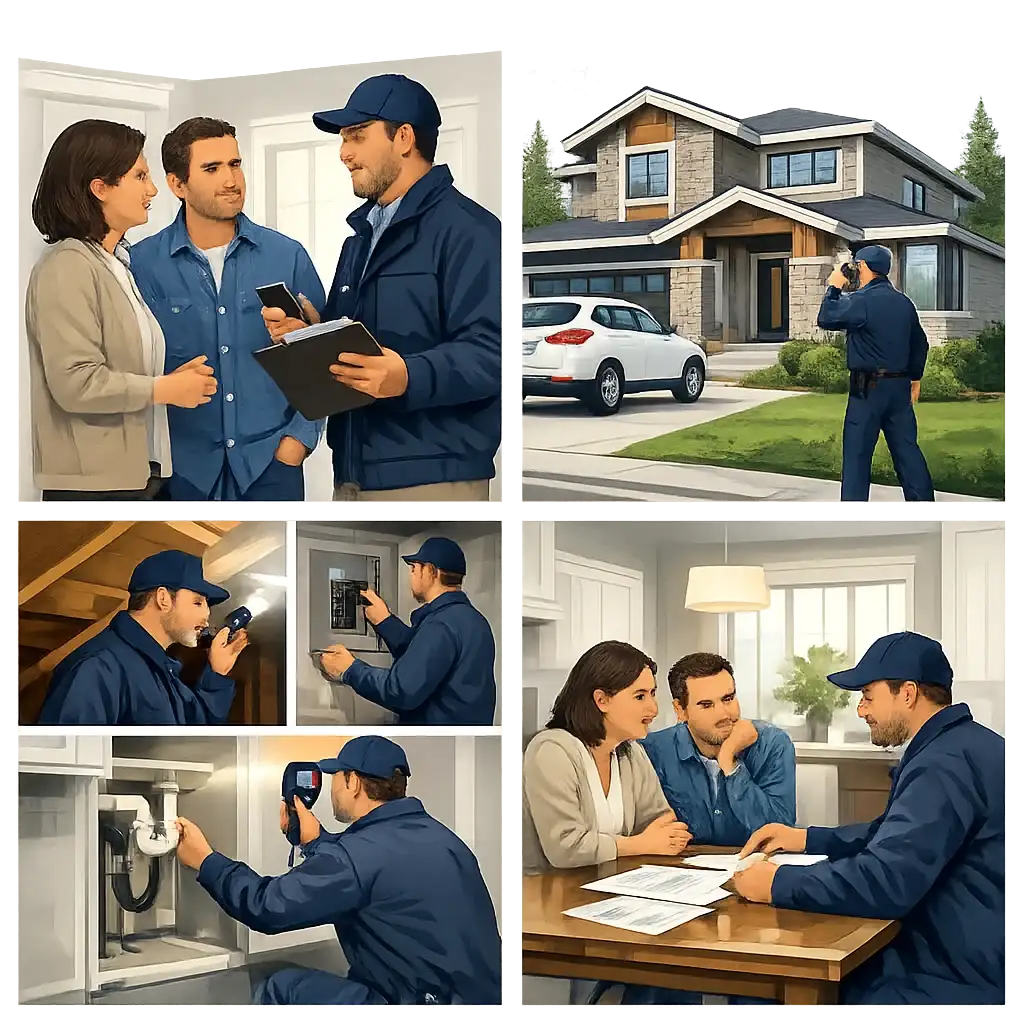
3. Read the complete written report
Review photographs, limitations, urgent observations and maintenance items. Do not focus only on a summary or assume the absence of a photo means a hidden space is problem-free.
Use the report interpretation resource if the terminology is unfamiliar.
4. Follow up on material concerns
Ask the inspector to clarify observations and whether an engineer, electrician, roofer or other licensed professional should examine a particular condition. Seek quotations where useful and permitted by the timeline.
Read what happens after major findings.
Use what the property reveals: A general guide is a starting point. Decisions should be based on actual accessible conditions, the written inspection scope and relevant specialist advice.
5. Make the contractual decision with the right adviser
Discuss the findings and available options with your real-estate representative or legal adviser before removing or declining a condition. A visual home inspection provides information; it does not decide the legal or financial outcome.
To discuss an inspection appointment, share your property and deadline.
What matters for BC homes?
A home inspection is only one part of buyer due diligence. BC buyers may also need strata minutes, Form B information, financing approval, insurance details and title or permit records. These checks cover different risks. A clean-looking inspection does not replace a lender's approval or prove that a strata has enough money for future repairs.
Keep one folder with the contract, inspection agreement, final report, strata documents and any specialist comments. Note the date of every phone call and email. You may need this record to understand what you knew before making a choice. If an important question is unresolved, do not infer that silence means the item is safe or the condition has been satisfied.
Example situation: how the issue can appear
This is an illustrative example, not an actual client case. For example, a buyer's report flags an older water heater and staining near a foundation wall. The water heater age can be checked by a plumber. The staining may need drainage review. Neither issue should be treated as proof that the other is the cause.
How to make a sound decision
Make a simple list with three columns: what is known, what remains uncertain and who can answer it. Assign an actual deadline to every open item. A roof question goes to a qualified roofer. A contract question goes to your real estate or legal adviser. An unresolved insurance issue goes to the insurer.
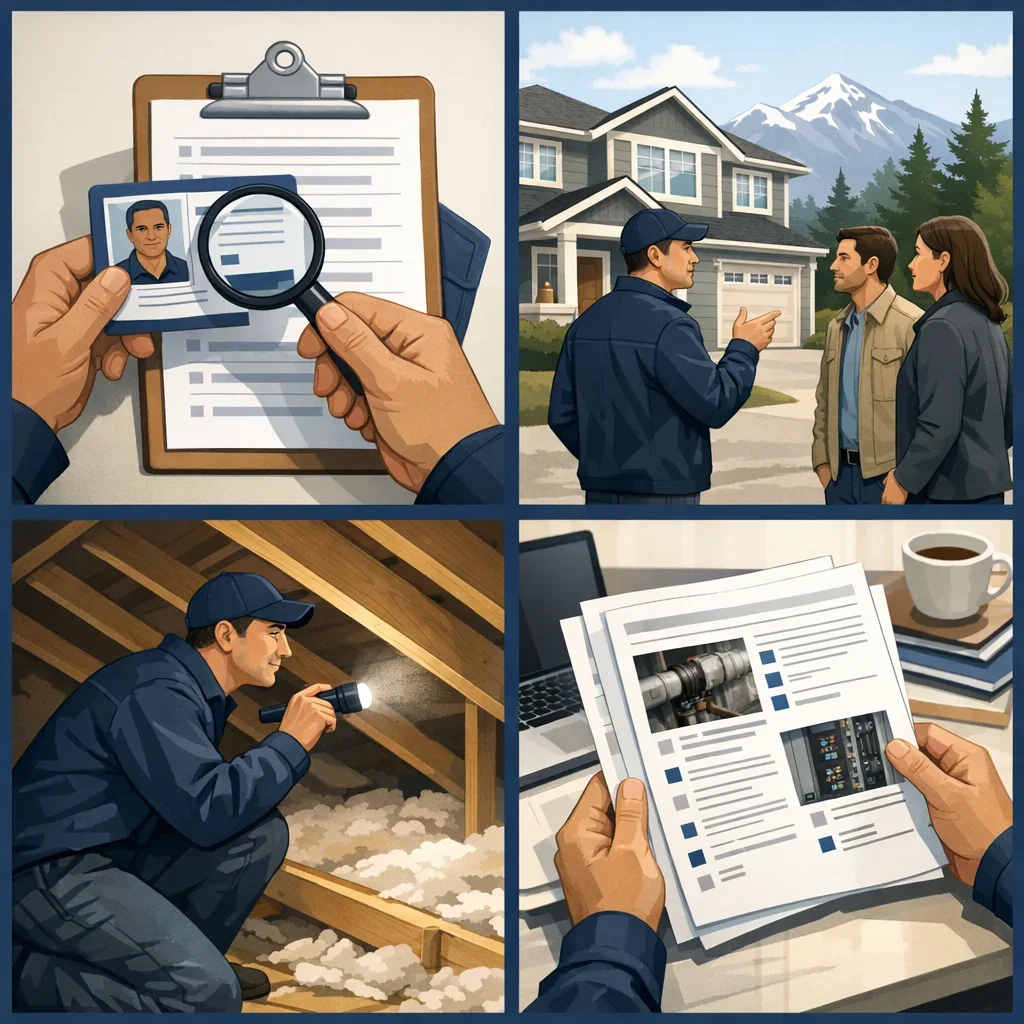
A four-step checklist
- Record the exact subject-removal date and time.
- Check the inspection scope and any blocked areas.
- Request estimates or specialist reports on material issues.
- Confirm the final decision with your licensed adviser before the deadline.
Keep your notes simple: record the date, the part of the building, what you observed and who should answer the next question. Ask for written facts when you can. A home inspection is one piece of the decision, not a test that makes every risk disappear. If the cause is hidden or the work needs a specialist, get the right person to check it before relying on an estimate.
Key terms explained
- Due diligence
- The inspections, record checks and advice used before a purchase choice.
- Material concern
- A finding that may affect safety, cost or intended use.
- Deadline
- The date and time controlling a step under the accepted contract.
What you should expect from a careful report
Look for clear photos, the exact location of each finding and plain words about why it matters. The inspector should state when an area was not seen. A note about a possible problem is not a final diagnosis. Review the written scope as well as the findings, then ask about safety, maintenance and work that may need a qualified professional. These steps help you avoid both undue worry and false confidence.
BC inspection experience and trustworthy sources
ENG Inspections is owned and operated by Nigel Greenidge. Nigel has worked with building and renovation projects for more than 20 years and has carried out home inspections since 2016. His listed Consumer Protection BC home inspector licence is #72615. He works directly with clients and uses photo-supported observations. This guide provides general education; it does not claim that Nigel personally inspected the example property.
To check the relevant provincial information, see BCFSA: Offers from buyers and subject clauses. Rules, deadlines and coverage should be checked against current official information and your own documents. The inspector can explain property conditions, but legal, engineering, insurance and warranty decisions may need other advisers.
Related BC guidance and services
For province-wide coverage, explore inspection service areas across BC. For deeper reading, compare home inspection subject clauses in BC, next steps after major inspection findings, and pre-purchase home inspection services. If you have a property deadline, discuss the agreed scope before you book.
Apply the guidance
Using This Advice for Your BC Property
Record the exact subject-removal date and time. Request estimates or specialist reports on material issues. The right next step depends on the building, its records and what can be seen safely. For a property in British Columbia, ask about the agreed inspection scope and share any deadlines before arranging a visit.
For a specific home, compare buyer inspection services, BC home inspection service areas, or discuss the property with Nigel.

Frequently asked question
Frequently Asked Questions
Does a checklist replace professional advice?
No. The contract, mortgage, insurance and legal circumstances require advice from the appropriate professionals.
What does due diligence mean?
The inspections, record checks and advice used before a purchase choice.
What should I do next about this issue?
Record the exact subject-removal date and time. Confirm the final decision with your licensed adviser before the deadline.
Need a property-specific review?
Discuss an Inspection With Nigel
If a property decision is approaching, share the address, property type, and deadline. ENG Inspections can discuss a suitable visual inspection scope and quote.