
BC property inspection guide
New Home Inspection in BC: Is It Worth It?
A new home inspection in BC can help buyers spot visible issues before possession or during a warranty period. Even a brand-new home can have unfinished work, poor drainage or items that need a closer look.
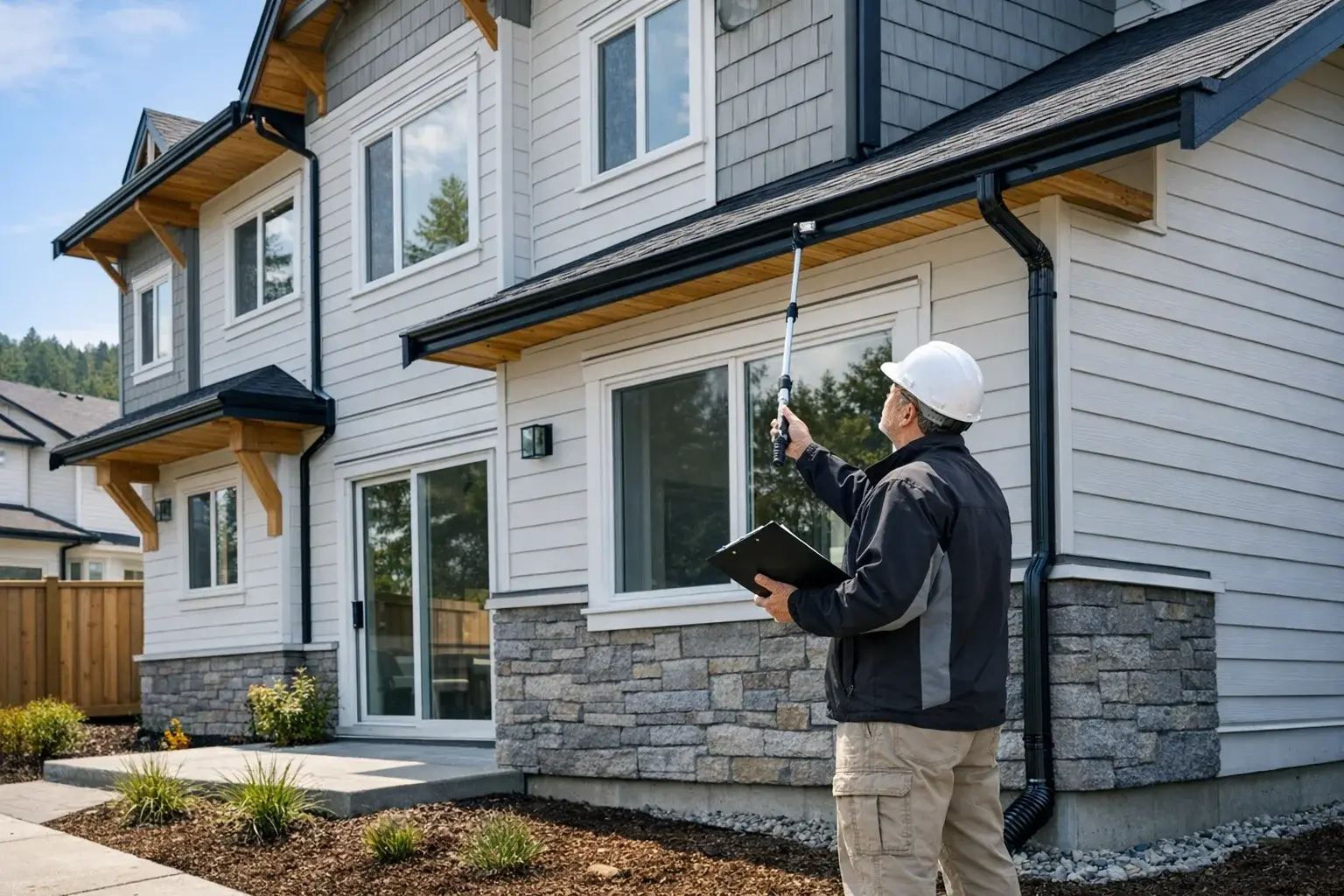
Quick answer: New homes in BC can still have visible defects. An inspection before possession or near a warranty deadline can help record concerns with finishes, drainage, windows, doors and mechanical systems. It does not replace the builder's work, warranty policy or any required specialist testing.
What can be wrong with a new home?
New buildings may have unfinished trim, alignment problems, missing sealant, ventilation concerns, drainage issues or installation defects. Their presence and significance can only be determined by examining the actual property.
Earlier ENG educational material discussed a flooring-defect example at a new home. The lesson is to inspect observable conditions rather than treating the build date as proof of quality.
What happens before possession?
A pre-delivery or pre-possession walk-through may offer an opportunity to record visible deficiencies. Check your contract and builder's instructions to distinguish that process from an independent inspection. Document concerns clearly and retain copies of communication.
For an agreed property-specific scope, see new-home and warranty inspections.

How do warranty-stage inspections work?
British Columbia new homes may be covered by the applicable 2-5-10 home warranty framework, but actual coverage, limitations and claim deadlines depend on the policy. Homeowners sometimes arrange a visual review close to an important milestone to identify matters worth discussing with the warranty provider.
An inspector documents observations; the warranty administrator determines whether a claim qualifies.
What should buyers check personally?
- Test the accessible windows, doors, locks and fixtures as appropriate.
- Ask how ventilation is intended to operate and keep equipment documentation.
- Look for visible staining, surface drainage concerns and unfinished details.
- Record discrepancies with dated photographs, without entering unsafe areas.
- Confirm the correct builder or warranty reporting method and deadlines.
Use what the property reveals: A general guide is a starting point. Decisions should be based on actual accessible conditions, the written inspection scope and relevant specialist advice.
Is the inspection different for condos or townhouses?
Yes. Unit ownership, shared services and strata responsibilities can limit access. Buyers should review relevant strata records in addition to what is visible inside a unit. Townhouse inspection details can help clarify questions.
What matters for BC homes?
BC's new-home warranty is often called 2-5-10 coverage. It generally covers certain labour and material defects for two years, the building envelope for five years and structure for ten years, with shorter limits for some items. Owners should read the actual policy and confirm when each coverage period began. The inspection itself does not decide whether a claim is covered.
Pay special attention to exterior grading, flashing, balcony details and places where different materials meet. Windows and doors should be checked for normal operation when safe. Keep the builder's deficiency list apart from your own inspection notes so it is clear who reported each item and when. A recorded observation can support a question, but it is not proof of warranty acceptance.
Example situation: how the issue can appear
This is an illustrative example, not an actual client case. Imagine a buyer taking possession of a new townhouse in Burke Mountain. The buyer notices a door that does not close well and a damp mark near a window after heavy rain. The two observations should be recorded separately, with dates and photos, rather than described as one large warranty problem.
How to make a sound decision
New houses often have tight timelines. Photograph a concern, note the room or component and report the item through the builder or warranty provider's process before the applicable deadline. A cracked tile, leaking shower connection and wet window frame may call for different trades and different evidence. Keep emails, work orders and repair dates.
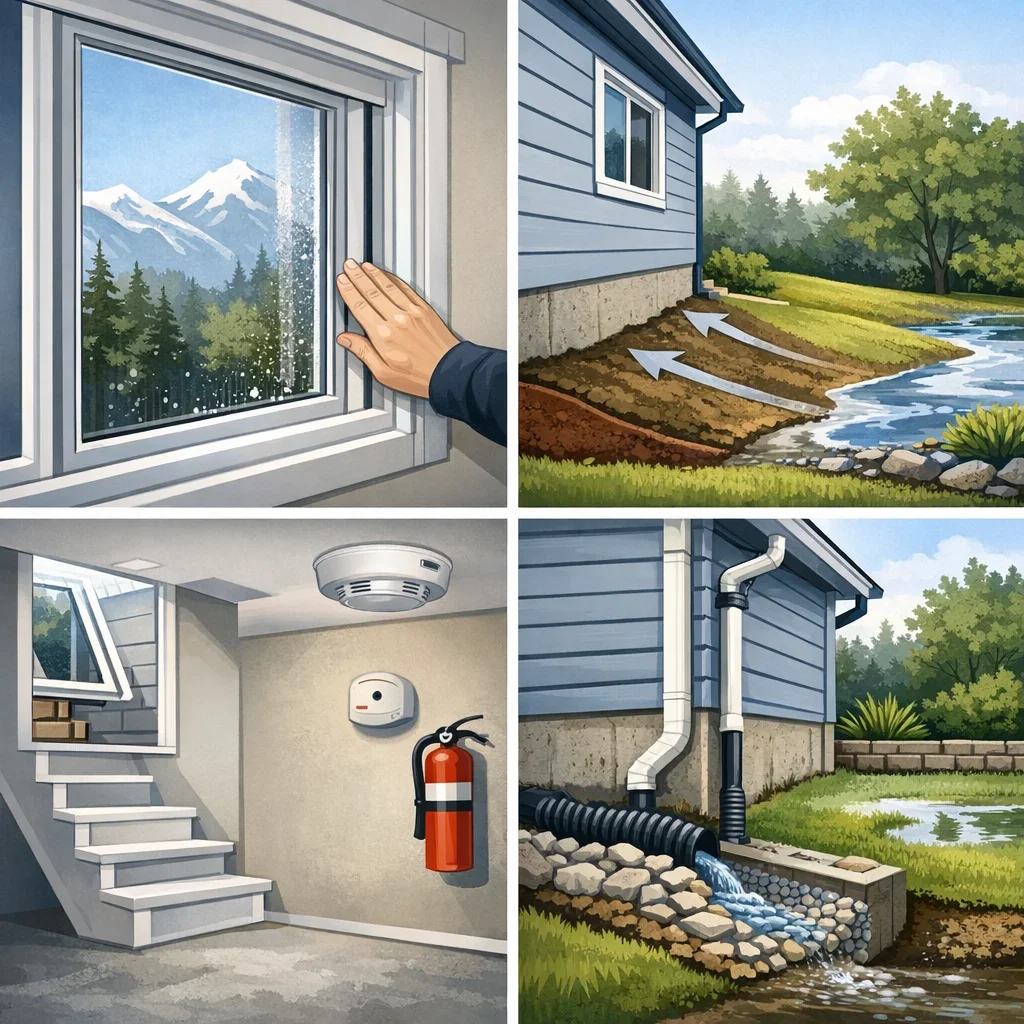
A four-step checklist
- Confirm possession, occupancy and warranty start dates.
- Collect the warranty policy, builder contacts and deficiency forms.
- Inspect accessible rooms and systems at the agreed milestone.
- Send documented concerns through the proper claim channel on time.
Keep your notes simple: record the date, the part of the building, what you observed and who should answer the next question. Ask for written facts when you can. A home inspection is one piece of the decision, not a test that makes every risk disappear. If the cause is hidden or the work needs a specialist, get the right person to check it before relying on an estimate.
Key terms explained
- Deficiency
- A visible item that may need correction or closer review.
- Warranty period
- The time limit set by the actual insurance policy for a covered type of defect.
- Building envelope
- The parts of a building that help keep weather and water out.
What you should expect from a careful report
Look for clear photos, the exact location of each finding and plain words about why it matters. The inspector should state when an area was not seen. A note about a possible problem is not a final diagnosis. Review the written scope as well as the findings, then ask about safety, maintenance and work that may need a qualified professional. These steps help you avoid both undue worry and false confidence.
BC inspection experience and trustworthy sources
ENG Inspections is owned and operated by Nigel Greenidge. Nigel has worked with building and renovation projects for more than 20 years and has carried out home inspections since 2016. His listed Consumer Protection BC home inspector licence is #72615. He works directly with clients and uses photo-supported observations. This guide provides general education; it does not claim that Nigel personally inspected the example property.
To check the relevant provincial information, see BC Housing: Home warranty insurance. Rules, deadlines and coverage should be checked against current official information and your own documents. The inspector can explain property conditions, but legal, engineering, insurance and warranty decisions may need other advisers.
Related BC guidance and services
For province-wide coverage, explore inspection service areas across BC. For deeper reading, compare new home and warranty inspections, new homes in Burke Mountain, and townhouse inspection services. If you have a property deadline, discuss the agreed scope before you book.
Apply the guidance
Using This Advice for Your BC Property
Confirm possession, occupancy and warranty start dates. Inspect accessible rooms and systems at the agreed milestone. The right next step depends on the building, its records and what can be seen safely. For a property in British Columbia, ask about the agreed inspection scope and share any deadlines before arranging a visit.
For a specific home, compare buyer inspection services, BC home inspection service areas, or discuss the property with Nigel.

Frequently asked question
Frequently Asked Questions
Does the builder's inspection replace an independent review?
A builder's process and an independent buyer-focused review serve different purposes and may address different observations.
What does deficiency mean?
A visible item that may need correction or closer review.
What should I do next about this issue?
Confirm possession, occupancy and warranty start dates. Send documented concerns through the proper claim channel on time.
Need a property-specific review?
Discuss an Inspection With Nigel
If a property decision is approaching, share the address, property type, and deadline. ENG Inspections can discuss a suitable visual inspection scope and quote.