
BC property inspection guide
Condo Inspection vs Strata Documents in BC
A condo inspection vs strata documents comparison helps BC buyers see why both matter. An inspector reviews accessible conditions inside the unit. Strata records help explain shared property, building plans, repairs and financial decisions.

Quick answer: A condo inspection and strata documents answer different questions. The inspection reports visible conditions in the unit and any agreed accessible areas. Strata records show building decisions, planned work, insurance and financial matters. A BC buyer needs both before judging the full risk.
What does a condo-unit inspection show?
Depending on scope and safe access, an inspector may examine fixtures, finishes, ventilation, windows, electrical components and evidence of moisture within the unit. Observations are tied to a particular day and cannot establish all conditions in the building.
See condo inspection scope and booking for more detail.
What can strata documents show?
Minutes, Form B, bylaws, financial information, insurance records and engineering reports may reveal previous repairs, planned projects, rules and special assessments. The exact documents available vary, and your adviser can help determine which to request.
Documents can also contain unresolved questions worth raising with the strata corporation or property manager.

What does neither source prove?
Neither a unit inspection nor a paper review guarantees that a building is defect-free. A visual unit inspection cannot ordinarily access concealed common-property infrastructure; a report may be outdated, incomplete or focused on different issues.
When serious concerns appear, a qualified specialist may need to examine the specific system.
How is a depreciation report different?
A depreciation report is concerned with long-term common-property components, forecast renewals and capital planning. It is not a detailed inspection of your suite or a substitute for reviewing recent strata decisions.
Read depreciation reports versus condo inspections.
Use what the property reveals: A general guide is a starting point. Decisions should be based on actual accessible conditions, the written inspection scope and relevant specialist advice.
How should a buyer combine the information?
- Inspect the accessible unit and note any moisture or maintenance concerns.
- Read the Form B, strata minutes and relevant financial or engineering information.
- Identify inconsistencies or missing information to ask about.
- Check whether the issues involve unit property or strata responsibility.
- Discuss significant risks and contractual timing with the right advisers.
For practical preparation, use the subject-removal checklist.
What matters for BC homes?
In BC, buyers often review Form B, meeting minutes, financial statements, insurance information and the most recent depreciation report, when one exists. A depreciation report helps plan long-term common-property work. It does not guarantee that a roof or wall is sound today, and the unit inspector cannot audit the strata's finances.

A Form B can contain information about fees, amounts owed and other strata matters. Minutes can reveal past votes and repairs, while a depreciation report projects longer-term common-property work. These records are not a condition survey of your kitchen sink or bathroom fan. Treat missing records as questions to resolve, rather than as proof that the building has no planned work.
Example situation: how the issue can appear
This is an illustrative example, not an actual client case. A buyer tours a condo near Metrotown. The dishwasher runs well, but the strata minutes discuss balcony membrane work. The unit report and meeting records should both inform the decision, followed by clear questions for the strata manager and qualified building specialists.
How to make a sound decision
Match the records to what you can see. If minutes mention repeated window leaks, note any staining around your unit's windows and ask how the strata handled the repairs. A clean ceiling does not erase the history in the minutes. A water stain does not, by itself, prove a building-wide problem.
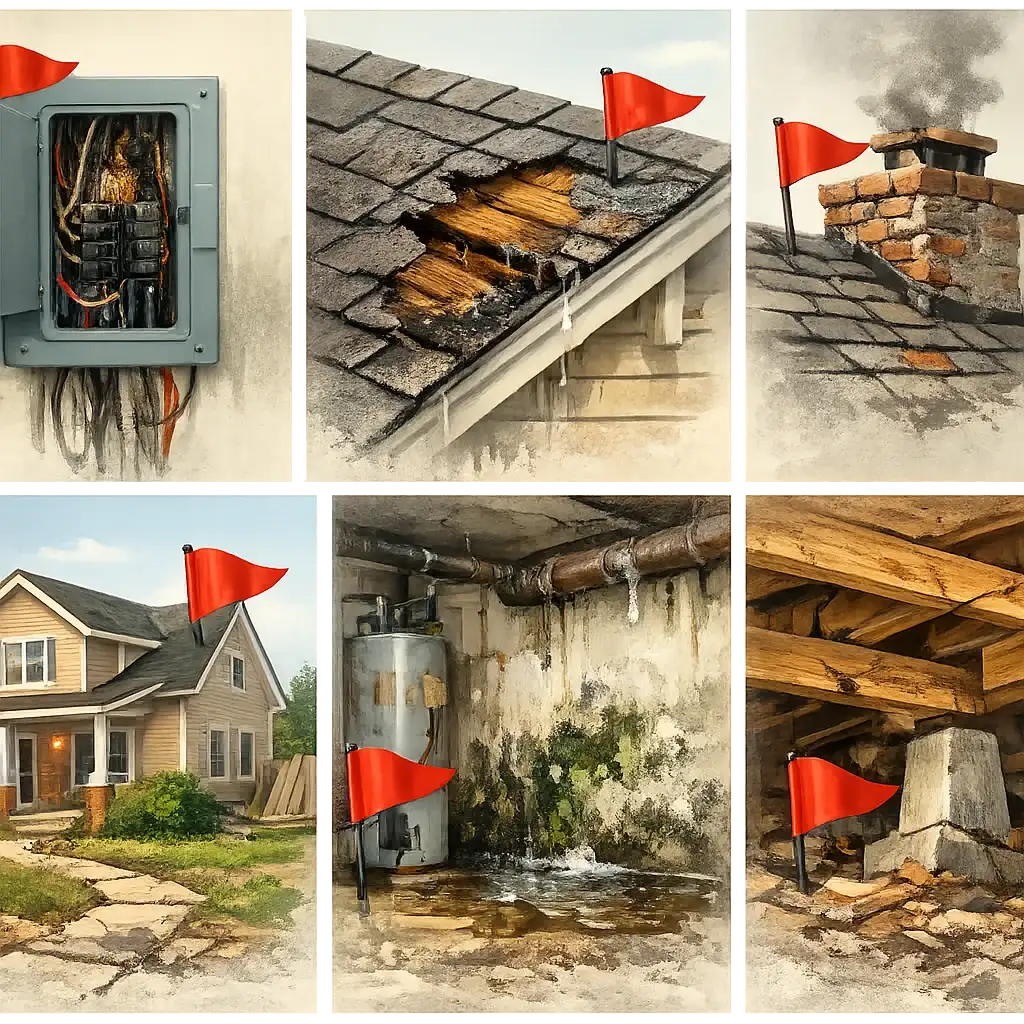
A four-step checklist
- Request the full available strata document package.
- Review Form B, meeting minutes, insurance and planned projects.
- Arrange an inspection of the unit's accessible systems.
- Ask the appropriate professional about unclear repair or financial risks.
Keep your notes simple: record the date, the part of the building, what you observed and who should answer the next question. Ask for written facts when you can. A home inspection is one piece of the decision, not a test that makes every risk disappear. If the cause is hidden or the work needs a specialist, get the right person to check it before relying on an estimate.
Key terms explained
- Form B
- A BC strata certificate containing key information about a strata lot.
- Common property
- Building or site areas managed under the strata ownership structure.
- Strata minutes
- Records of council or general meetings and their decisions.
What you should expect from a careful report
Look for clear photos, the exact location of each finding and plain words about why it matters. The inspector should state when an area was not seen. A note about a possible problem is not a final diagnosis. Review the written scope as well as the findings, then ask about safety, maintenance and work that may need a qualified professional. These steps help you avoid both undue worry and false confidence.
BC inspection experience and trustworthy sources
ENG Inspections is owned and operated by Nigel Greenidge. Nigel has worked with building and renovation projects for more than 20 years and has carried out home inspections since 2016. His listed Consumer Protection BC home inspector licence is #72615. He works directly with clients and uses photo-supported observations. This guide provides general education; it does not claim that Nigel personally inspected the example property.
To check the relevant provincial information, see BC government: Strata depreciation report requirements. Rules, deadlines and coverage should be checked against current official information and your own documents. The inspector can explain property conditions, but legal, engineering, insurance and warranty decisions may need other advisers.
Related BC guidance and services
For province-wide coverage, explore inspection service areas across BC. For deeper reading, compare condo inspection services, strata depreciation reports versus condo inspections, and the BC subject-removal checklist. If you have a property deadline, discuss the agreed scope before you book.
Apply the guidance
Using This Advice for Your BC Property
Request the full available strata document package. Arrange an inspection of the unit's accessible systems. The right next step depends on the building, its records and what can be seen safely. For a property in British Columbia, ask about the agreed inspection scope and share any deadlines before arranging a visit.
For a specific home, compare buyer inspection services, BC home inspection service areas, or discuss the property with Nigel.

Frequently asked question
Frequently Asked Questions
Can a strata document reveal a leak in my unit?
It may mention shared incidents, but an on-site review is still useful for visible unit conditions.
What does form b mean?
A BC strata certificate containing key information about a strata lot.
What should I do next about this issue?
Request the full available strata document package. Ask the appropriate professional about unclear repair or financial risks.
Need a property-specific review?
Discuss an Inspection With Nigel
If a property decision is approaching, share the address, property type, and deadline. ENG Inspections can discuss a suitable visual inspection scope and quote.